

Most of the habits that shape your identity don’t feel important when they happen.
They don’t arrive as dramatic turning points or bold resolutions. Instead, they show up quietly—in the moments when you’re tired, overwhelmed, or mentally drained. Over time, these small, repeated actions become the habits that shape who you’re becoming.
Understanding how habits shape personality over time is one of the most overlooked parts of personal growth. According to James Clear, habits aren’t just behaviors. They are systems that continuously reinforce identity—often without our awareness.
👉 Highly recommended read: Atomic Habits – Build Good Habits & Break Bad Ones
This is why identity-based habits matter far more than short-term goals. You don’t become someone overnight. You become someone gradually, through the small habits that change who you become.
Below are seven habits that quietly influence your mindset, emotional patterns, and future self—especially relevant for students and young professionals navigating pressure, uncertainty, and change.
Habit 1: Defaulting to Inherited Coping Mechanisms
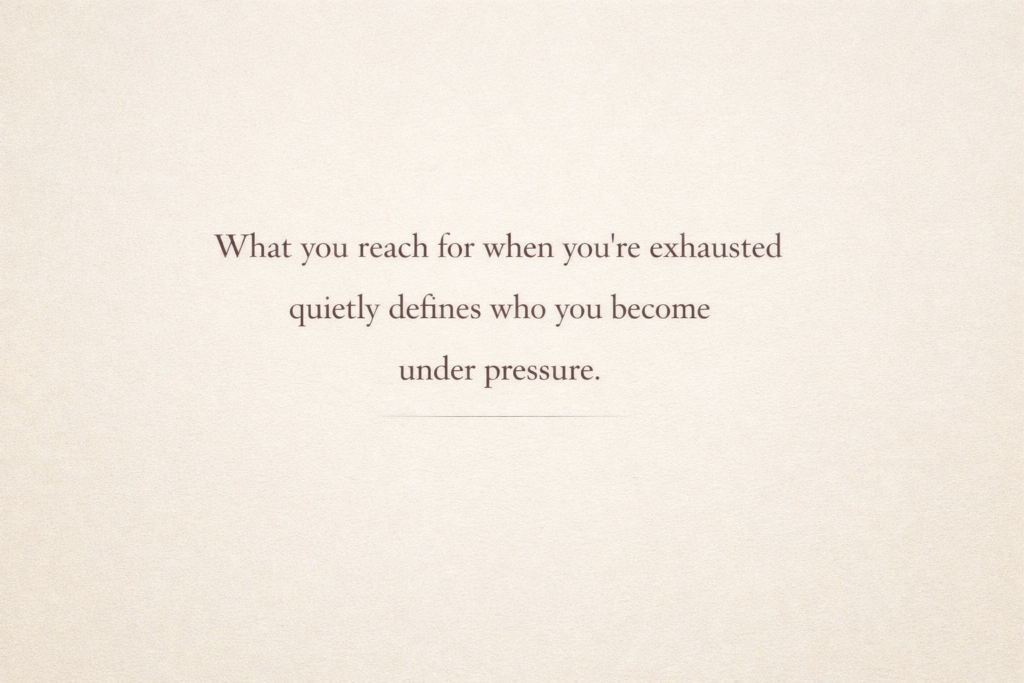
When stress hits, most people don’t choose a response—they default to one.
These default behaviors are learned early and reinforced often. Scrolling, snacking, shutting down, or avoiding discomfort are not moral failures. They’re coping strategies your brain believes are helpful.
This is why habit change without willpower begins with awareness. Until you notice how you cope under pressure, you’ll continue reinforcing habits that define who you are under stress.
Recognizing these patterns is the first step toward gentle habit building—change rooted in understanding, not self-judgment.
Habit 2: Showing Up for the First Five Minutes
Many people assume habits fail because they lack discipline.
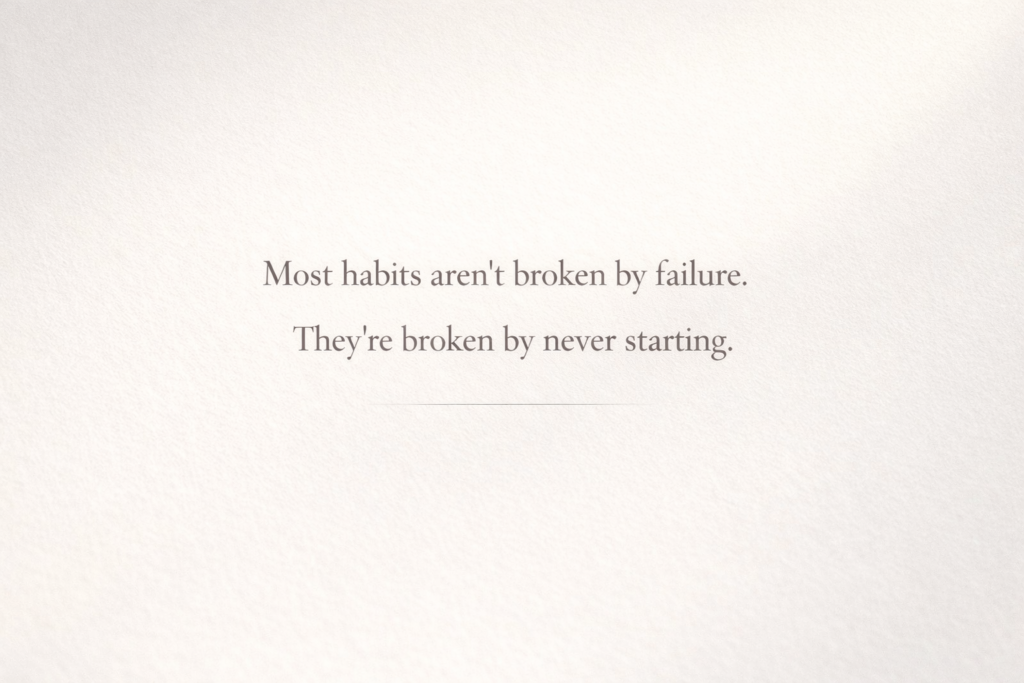
In reality, they fail because starting feels heavy.
Clear explains that the real challenge isn’t intensity—it’s entry. The first five minutes often decide whether a habit survives. Writing one sentence, opening a notebook, or taking a short walk may seem insignificant, but they build momentum.
This approach is especially effective for habit building for young professionals and students with limited energy. Small starts protect consistency and reduce burnout.
Showing up briefly—but repeatedly—is how simple habit systems for busy students actually work.
Habit 3: Designing Your Environment Instead of Relying on Willpower
Willpower is unreliable.
Environment is not.
The science of habit formation explained simply reveals that what’s visible and easy gets repeated. What’s hidden or inconvenient disappears from daily life.
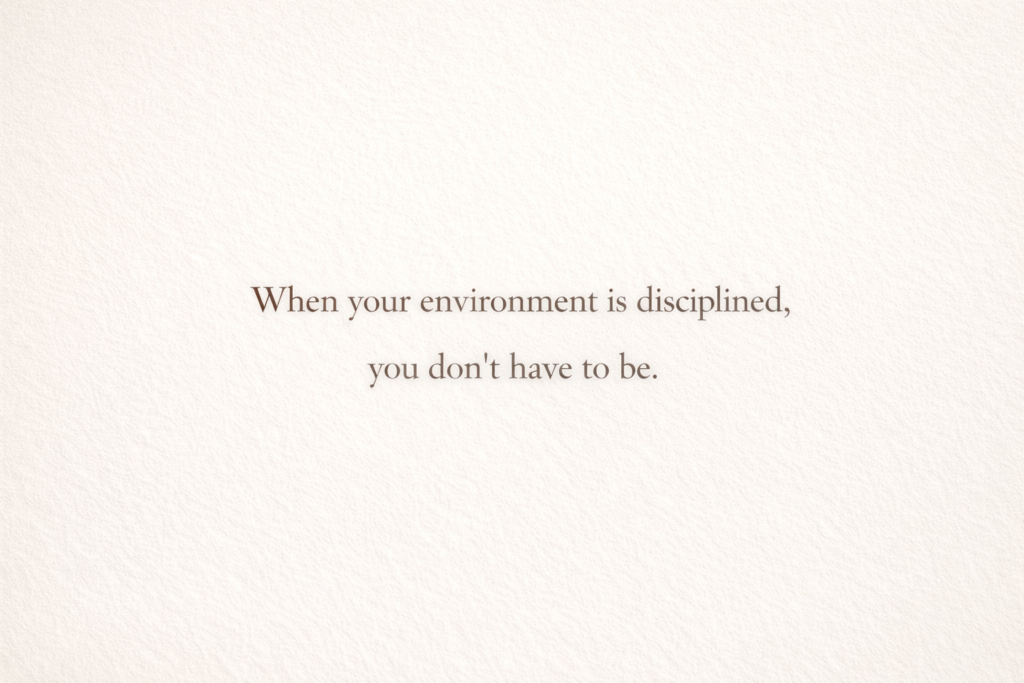
This is why how environment affects habits matters more than motivation. When your surroundings support your intentions, consistency becomes natural.
You don’t need more discipline—you need fewer obstacles.
Read More: Powerful Motivational Messages For Students Before Exams
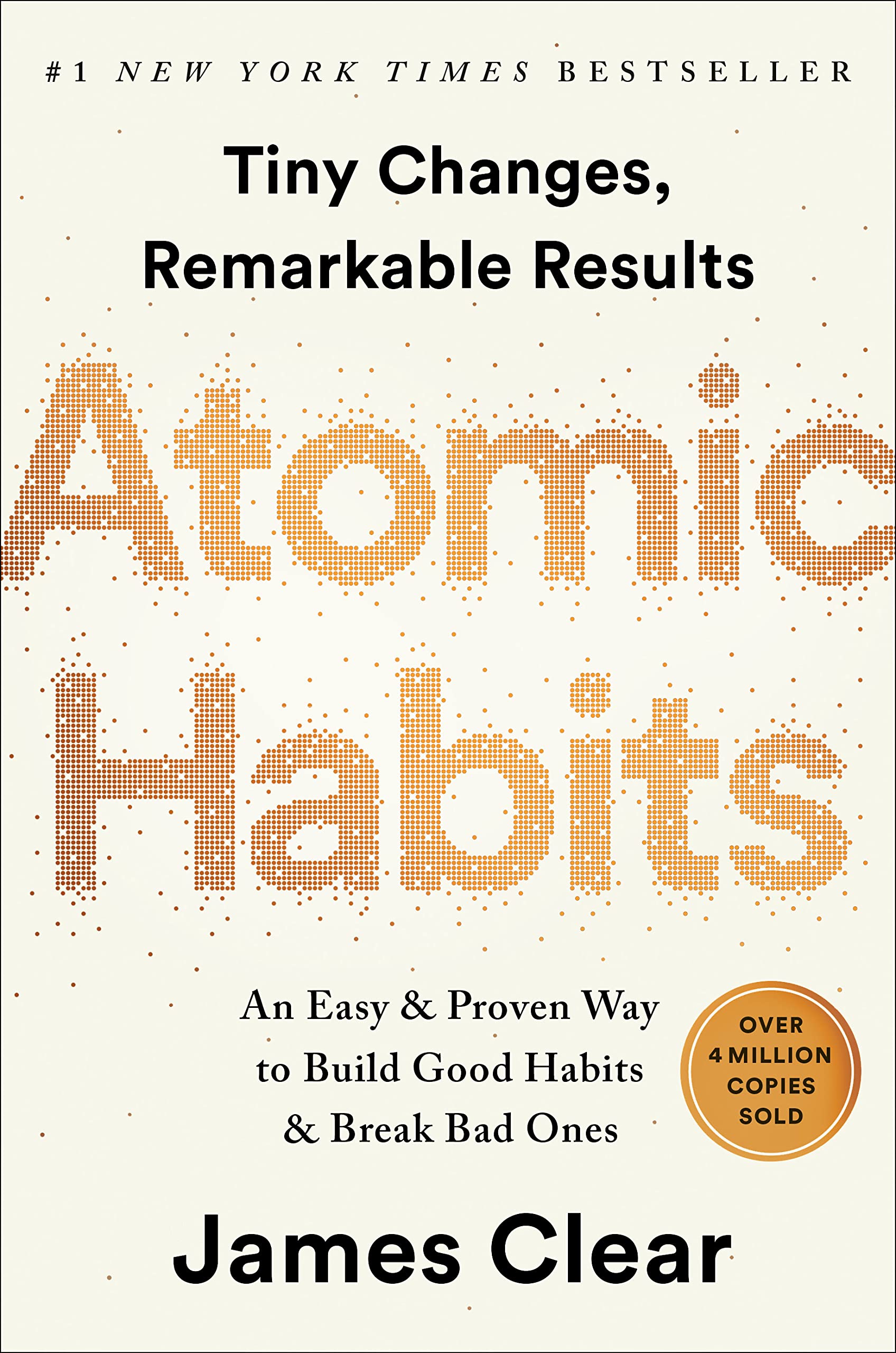
Atomic Habits — Build Good Habits & Break Bad Ones
A proven guide to mastering behavior change and building identity-based habits.
Discover how tiny daily improvements compound into remarkable long-term success.
International Bestseller • Over 25 Million Copies Sold • By James Clear
Habit 4: Acting in Alignment with the Person You Want to Be
Identity changes through evidence, not intention.
Each action you take reinforces a self-story. Over time, these stories solidify into belief. This is the core of identity-based habits explained in practical terms.
“Every action you take is a vote for the type of person you wish to become.”
You don’t wait to feel confident before acting. You act, and confidence follows. This is how building identity through small actions works quietly but powerfully.

Habit 5: Refusing to Quit on Bad Days
Consistency is often misunderstood.
It doesn’t mean perfection. It means not abandoning yourself when conditions aren’t ideal. On low-energy days, doing a smaller version of a habit keeps the identity intact.
This approach is essential for how to stay consistent on bad days—especially for students balancing academics, uncertainty, and emotional pressure.
Never letting a habit drop to zero protects both momentum and self-trust.

Read More: Motivational Quotes On Enlightenment
Habit 6: Shaping Your Physical Space to Support Growth
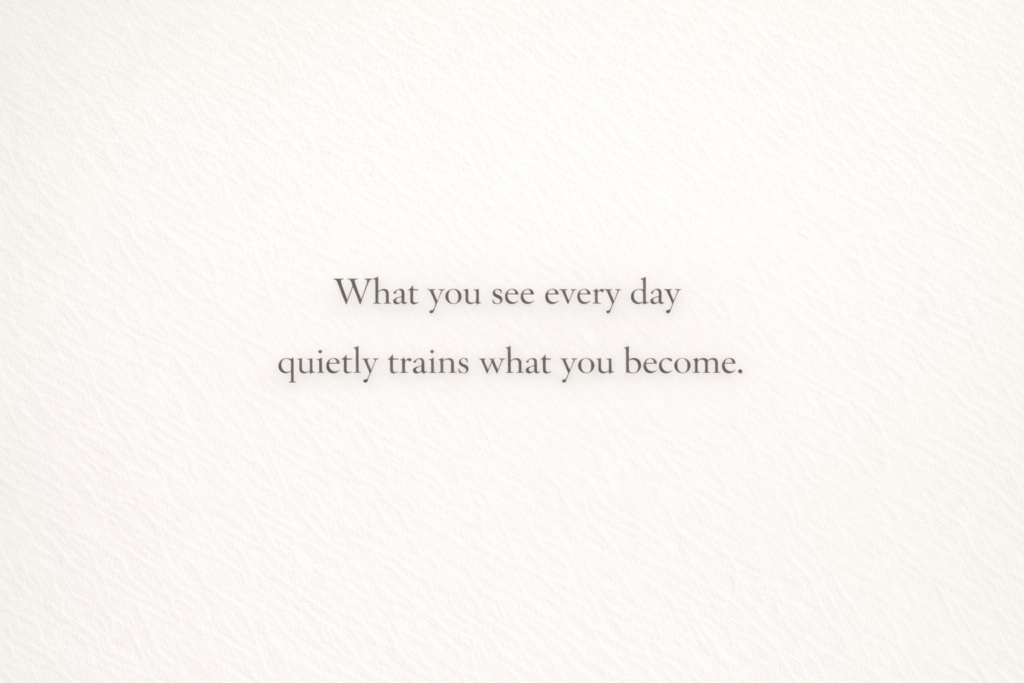
Your physical environment teaches you what matters.
Objects you see often influence what you do effortlessly. Over time, your surroundings become cues that shape daily behavior. This is a subtle but powerful driver of personal growth through daily routines.
When your space reflects your intentions, habits form naturally—without force or guilt.
Habit 7: Reflecting Instead of Just Pushing Forward
Effort alone doesn’t lead to growth. Reflection does.
Insights from neuroscience—often discussed by Andrew Huberman—show that the brain adapts when it encounters friction and feedback. Without reflection, repetition becomes stagnation.
This is why practices like journaling or weekly reviews support neuroscience of habit change and long-term self-awareness.
Reflection transforms experience into wisdom.

Read More: Motivation Theories: Top 8 Motivation Theories Explained!
Final Reflection
These habits don’t shout.
They don’t demand attention.
But together, they decide your direction.
If you’re exploring daily habits for personal growth in your 20s, remember this:
you don’t become who you want in a moment of motivation.
You become who your habits quietly train you to be.
So ask yourself:
If your habits stayed exactly the same for the next five years—who would they shape you into?

Highly Recommended Read
Atomic Habits — Build Good Habits & Break Bad Ones
A proven guide to mastering behavior change and building identity-based habits.
Discover how tiny daily improvements compound into remarkable long-term success.
International Bestseller • Over 25 Million Copies Sold • By James Clear